Finishing Your Vehicle After Repair Completion
Interior & Exterior Detailing in Clio for vehicles requiring cosmetic restoration and presentation improvements after collision repair
After paint cures and body panels align correctly, detailing removes the residue of repair work and restores the appearance your vehicle had before the collision. Interior vacuuming extracts dust that settles into upholstery during disassembly, exterior polishing blends new paint with surrounding panels, and trim cleaning removes compounds that accumulate on rubber seals and plastic moldings. Ronnie's Auto Collision & Towing provides detailing services that complete the restoration process, addressing the cosmetic elements that affect how the vehicle looks when you retrieve it from the shop.
Detailing after collision repair focuses on removing overspray from glass and chrome, buffing paint to uniform gloss levels, cleaning adhesive residue from window channels, and extracting fine particles from carpet fibers and seat crevices. This work transitions the vehicle from mechanically complete to visually finished, eliminating evidence of the repair process that customers notice when inspecting their vehicle closely.
Request post-repair detailing to complete your vehicle restoration with interior and exterior finishing work.
What Detailing Accomplishes After Body Work
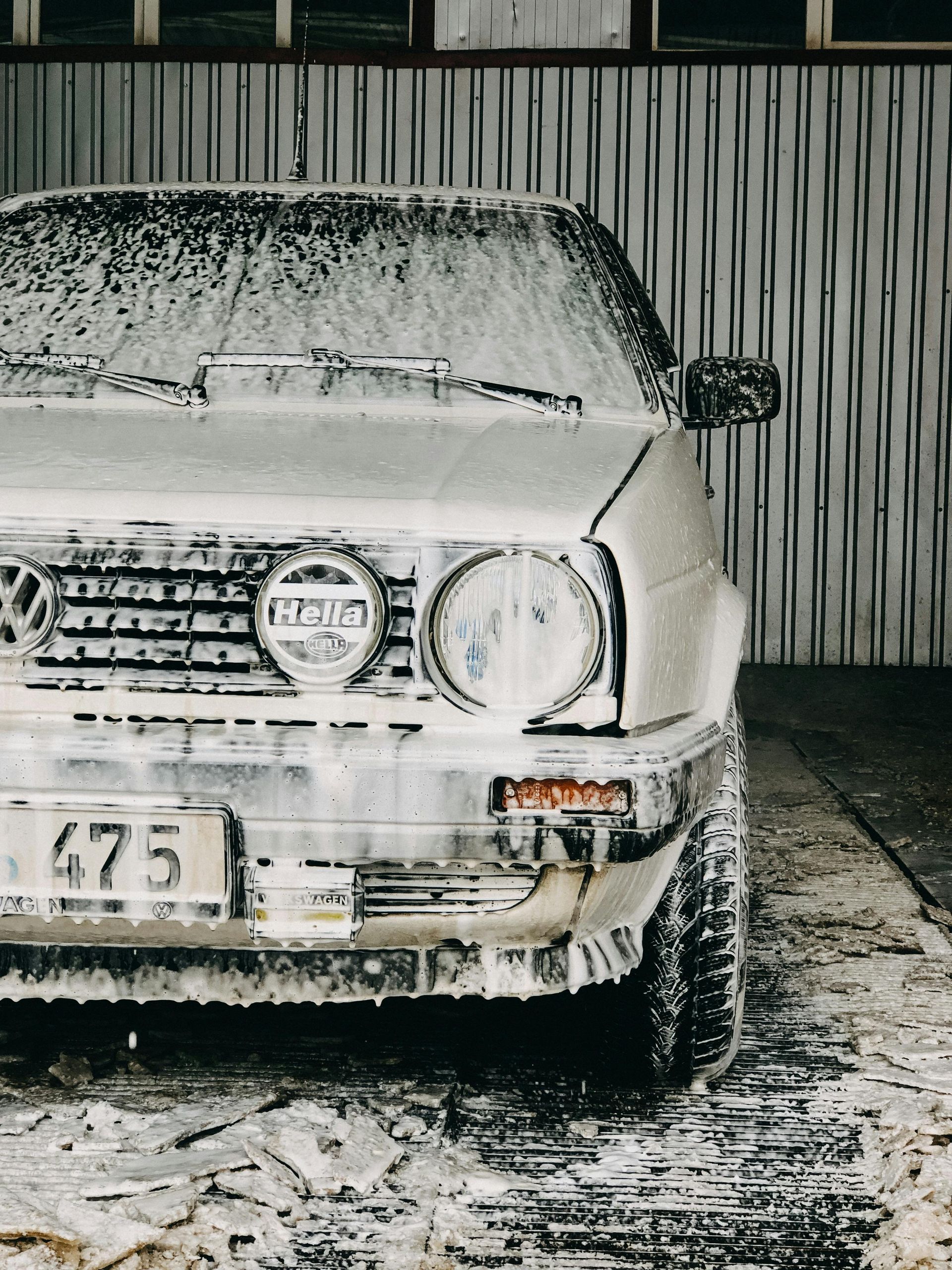
Detailing begins with interior vacuuming that targets door pockets, seat tracks, and dashboard vents where sanding dust migrates during repair, followed by surface wiping that removes film from vinyl and leather. Exterior work includes clay bar treatment to lift embedded contaminants from new paint, machine polishing to eliminate minor texture variations, and trim restoration using dressings that return black plastics and rubber seals to their original appearance rather than the faded gray that develops after cleaning chemicals contact these surfaces.
Once detailing is complete, you notice windows free of compound residue, door jambs without tape adhesive, upholstery that matches the cleanliness standard of unaffected areas, and paint that reflects light uniformly across repaired and original panels. The interior no longer carries the dusty smell associated with sanding, and exterior trim pieces display consistent color saturation rather than the spotty appearance caused by cleaning product exposure.
This service differs from routine car washes because it addresses specific cosmetic issues created during collision repair rather than general road grime accumulation. Detailing includes hand work around emblems and trim pieces, attention to areas where masking tape leaves residue, and inspection for small defects like buffer trails or missed spots that require correction before delivery.
Common Questions About Post-Repair Detailing
Vehicle owners often ask how detailing fits into the collision repair timeline and what specific work this service includes after body repairs.
What makes post-repair detailing different from regular detailing?
Post-repair detailing specifically targets residues from bodywork like sanding dust in air vents, overspray on adjacent panels, compound residue on trim pieces, and adhesive marks from masking materials, requiring techniques and products distinct from maintenance detailing that addresses dirt and weather exposure.
When does detailing happen in the repair process?
Detailing occurs after paint has fully cured and all mechanical reassembly is complete, typically as the final step before customer delivery, ensuring that cleaning products do not interfere with paint adhesion and that interior vacuuming captures dust from the entire repair process including final adjustments.
How does detailing improve paint appearance after collision work?
Machine polishing blends the texture and gloss level of new paint with surrounding original panels, removing the slight orange peel texture difference and reflectivity variation that occurs when fresh paint sits adjacent to aged clear coat, creating uniform appearance across repaired sections.
What interior areas receive attention during post-repair detailing?
Technicians vacuum door panels, seat cushions, floor mats, trunk areas, and dashboard crevices where fine dust accumulates, wipe interior glass to remove film, clean door jambs and sills that collect debris during disassembly, and dress vinyl surfaces in Clio vehicles that may have dulled from solvent contact during repair.
Does detailing address window streaks and compound marks?
Yes, detailing removes polishing compound that transfers to glass and chrome during paint buffing, cleans wax residue from window edges and rubber seals, and eliminates the hazy film that develops on interior glass when airborne particles settle during the repair process.
Ronnie's Auto Collision & Towing completes vehicle restoration with detailing that addresses cosmetic elements affected by the repair process. Schedule detailing services to finish your vehicle properly before taking delivery after collision work.