Safe Relocation After Collision Damage
Accident Recovery & Vehicle Transport in Clio for vehicles requiring relocation after roadway collisions and emergency scene support
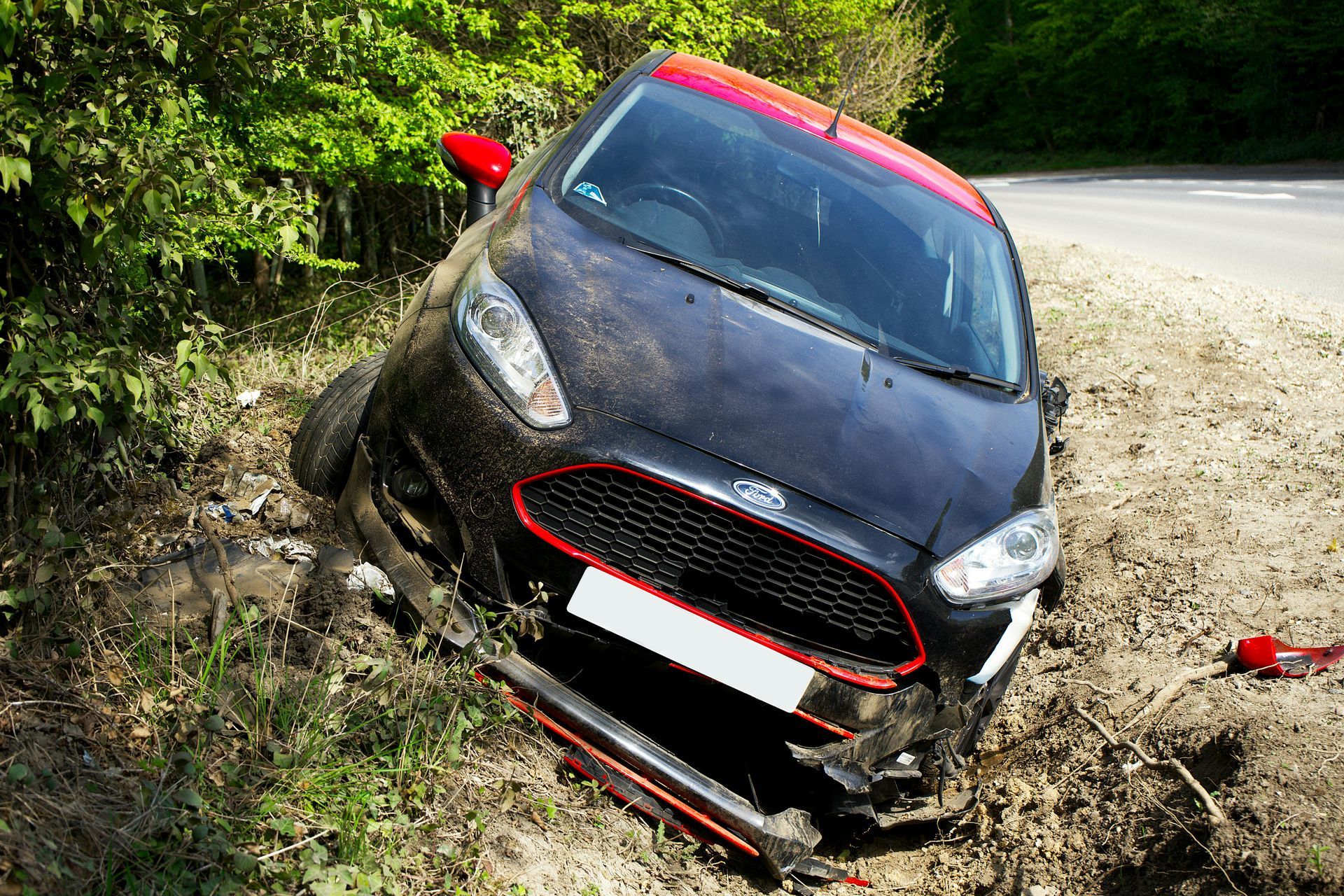
Roadway accidents leave vehicles positioned in traffic lanes, median areas, or roadside locations where they cannot remain while owners coordinate repairs and insurance documentation. Collisions compromise steering systems, puncture tires, crack suspension components, and deploy airbags that prevent safe driving, creating immediate need for transport to a secure location where damage assessment and repair planning can begin. Ronnie's Auto Collision & Towing responds to accident scenes to retrieve damaged vehicles, relocate them to repair facilities or storage areas, and clear roadways so traffic flow resumes and additional collisions are prevented.
Accident recovery involves securing vehicles with structural damage, managing fluid leaks, loading cars with deployed airbags and compromised visibility, and transporting them without causing additional damage to suspension components already weakened by impact. This differs from breakdown towing because collision damage often leaves vehicles unstable during loading, with loose body panels, exposed sharp edges, and fluid systems that continue leaking throughout transport.
Call immediately for accident recovery support when your vehicle is disabled by collision damage and requires safe transport from the scene.
What Happens During Post-Collision Vehicle Recovery
Accident recovery begins when the tow operator arrives at the collision scene, assesses the vehicle's condition to determine the safest loading method, and positions the tow truck to avoid obstructing emergency vehicles or traffic. The operator attaches chains or straps to frame-mounted tow points rather than damaged body panels, uses wheel dollies if the vehicle cannot roll due to suspension damage, and secures loose parts like bumpers or trim pieces that could detach during transport. Flatbed loading is common for severely damaged vehicles because it eliminates stress on compromised steering and suspension systems.
Once recovery is complete, your vehicle arrives at a repair facility where technicians inspect structural damage, document the extent of collision impact for insurance claims, and provide estimates for restoring the vehicle to safe operating condition. You no longer need to arrange temporary storage or worry about the vehicle being towed by municipal contractors to impound lots that charge daily fees, and repair work can begin as soon as insurance authorization is received.
Recovery services accommodate vehicles with extensive front-end damage that prevents wheel movement, cars resting on flattened tires, and those with fluid leaks requiring containment during transport. Operators work with law enforcement to clear accident scenes efficiently and coordinate with collision repair shops to deliver vehicles during business hours when intake staff are available to receive them and begin documentation.
Questions vehicle Owners Usually Ask
Drivers dealing with accident aftermath often need information about how vehicle recovery works and what steps follow collision scene transport.
What should I do while waiting for the tow truck after an accident?
Move to a safe location away from traffic if possible, contact law enforcement if required by local regulations in Clio, document the scene with photos showing vehicle positions and damage, exchange information with other involved parties, and notify your insurance company about the collision before the vehicle is moved.
How does the operator handle vehicles with severe structural damage?
Operators use flatbed trucks to lift the entire vehicle without placing weight on damaged suspension components, secure the vehicle with multiple attachment points to prevent shifting, and cover sharp edges or broken glass that could cause injury or additional damage during loading and transport.
Can my vehicle go directly to a specific body shop?
Yes, specify the repair facility destination when you request towing, and the operator will transport your vehicle there if the shop is open to receive it, or coordinate with the shop about after-hours drop-off procedures that allow secure placement in their lot.
What happens if fluids are leaking from my vehicle?
Operators place absorbent pads under leak points, contain fluids during loading using drip pans, and clean spills from the roadway when possible to prevent environmental contamination and additional traffic hazards before departing the accident scene.
How long can my vehicle stay at the tow yard if I'm not ready for repairs?
Storage duration depends on the facility's policies, but most tow yards assess daily storage fees after an initial grace period, so coordinating with your insurance adjuster and selecting a repair shop quickly helps avoid accumulating storage charges while you finalize repair authorization.
Ronnie's Auto Collision & Towing provides accident recovery services for vehicles disabled by collision damage in Clio. Contact us at (810) 639-7619 for immediate post-accident vehicle transport and relocation support.